Location: South Los Angeles & Eastern Coachella Valley, CA
Status: 2024-2026
Client: UC Berkeley Possibility Lab
Collaborators: Konkuey Design Initiative, Civic Designers, Genesis LA, Eric Shaw
Impact Area: Non-traditional Partnerships, Equitable Decision-making Strategies, Spaces and Places of Belonging
In the Eastern Coachella Valley, the most common housing type is the mobile home, much of it in Polanco Parks, informal communities created after a 1990s state law allowed small parks on agricultural land with little oversight. The law expanded access for low-income, largely immigrant families, but many parks were built without water, sewer, drainage, or reliable roads, leaving residents exposed to flooding, failed wells, and conditions formal systems rarely see. They also did not account for the changing needs in a more mixed and multigenerational population.
The work builds engagement that surfaces what formal data and stakeholder interviews alone cannot. Using a Critical Moments Reflection methodology developed by Ceasar McDowell, residents identify the specific moments, a flood, a failed well, a tenancy dispute, that reveal how policy, ownership structures, and infrastructure gaps shape daily life, then generate and prioritize the questions that policy should be answering.
That resident knowledge is set in conversation with interviews of county officials and advocates, who describe the financing, permitting, and land-use constraints that determine what is possible, clarifying where the housing-delivery system breaks down and where it might be repaired. The research reframes housing policy as a two-way exchange, building the shared understanding from which more equitable policy can follow. Its aim is a path from a fragmented housing system toward one informed by, and accountable to the communities it is meant to serve.
Location: South Los Angeles & Eastern Coachella Valley, CA
Status: 2024-2026
Client: UC Berkeley Possibility Lab
Collaborators: Konkuey Design Initiative, Civic Designers, Genesis LA, Eric Shaw
Impact Area: Non-traditional Partnerships, Equitable Decision-making Strategies, Spaces and Places of Belonging
In the Eastern Coachella Valley, the most common housing type is the mobile home, much of it in Polanco Parks, informal communities created after a 1990s state law allowed small parks on agricultural land with little oversight. The law expanded access for low-income, largely immigrant families, but many parks were built without water, sewer, drainage, or reliable roads, leaving residents exposed to flooding, failed wells, and conditions formal systems rarely see. They also did not account for the changing needs in a more mixed and multigenerational population.
The work builds engagement that surfaces what formal data and stakeholder interviews alone cannot. Using a Critical Moments Reflection methodology developed by Ceasar McDowell, residents identify the specific moments, a flood, a failed well, a tenancy dispute, that reveal how policy, ownership structures, and infrastructure gaps shape daily life, then generate and prioritize the questions that policy should be answering.
That resident knowledge is set in conversation with interviews of county officials and advocates, who describe the financing, permitting, and land-use constraints that determine what is possible, clarifying where the housing-delivery system breaks down and where it might be repaired. The research reframes housing policy as a two-way exchange, building the shared understanding from which more equitable policy can follow. Its aim is a path from a fragmented housing system toward one informed by, and accountable to the communities it is meant to serve.

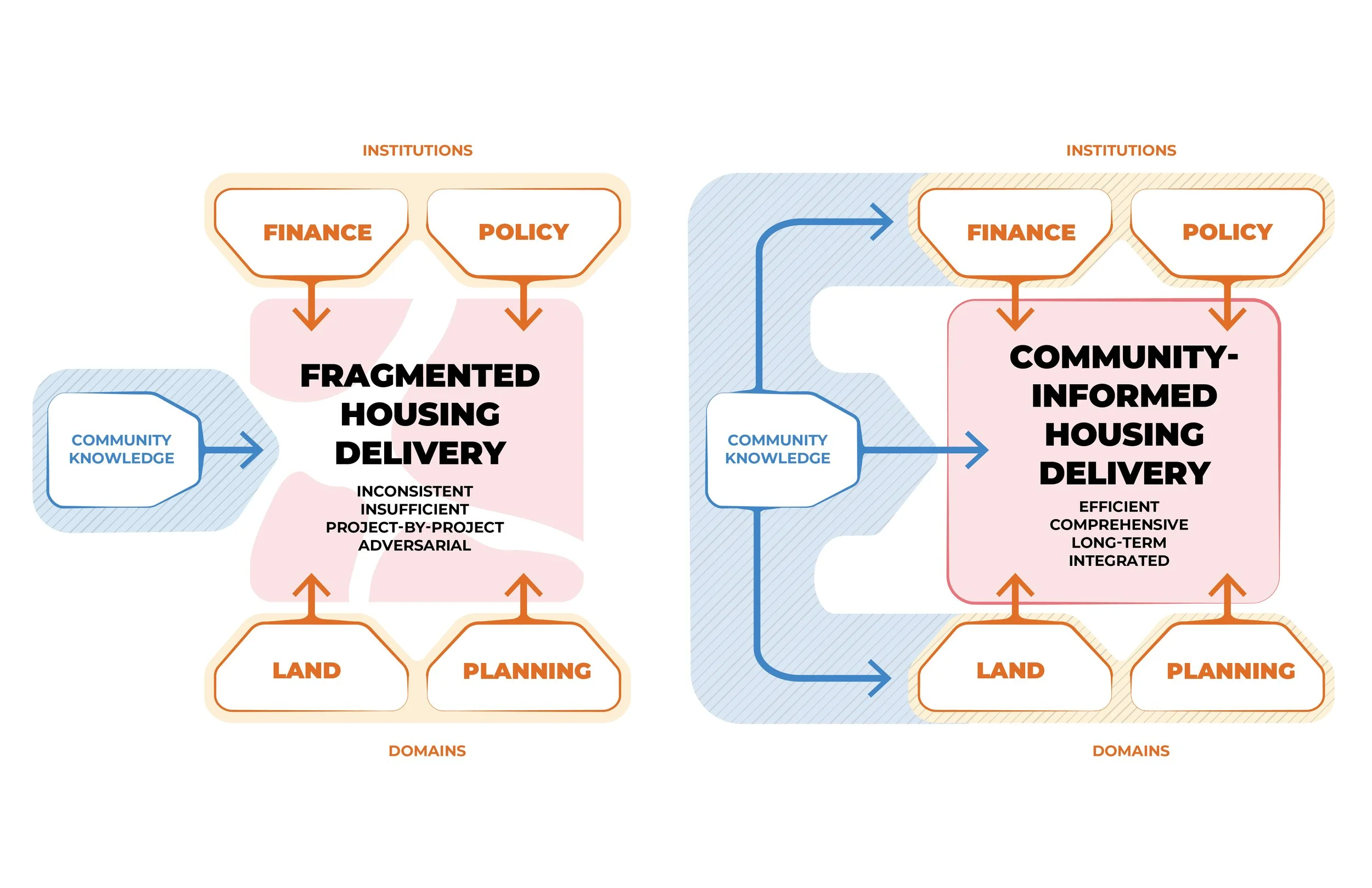 Image 1 of 8
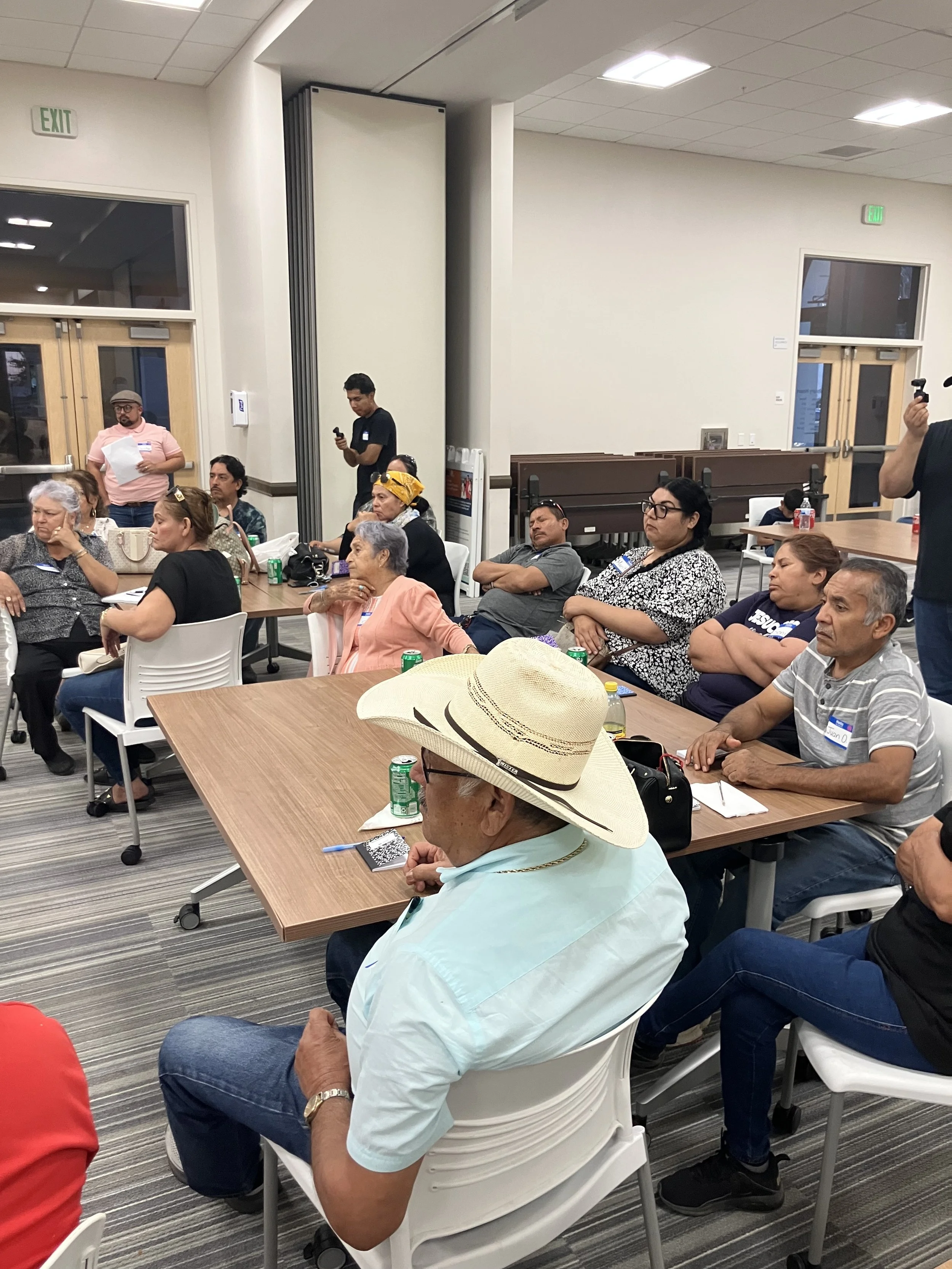 Image 2 of 8
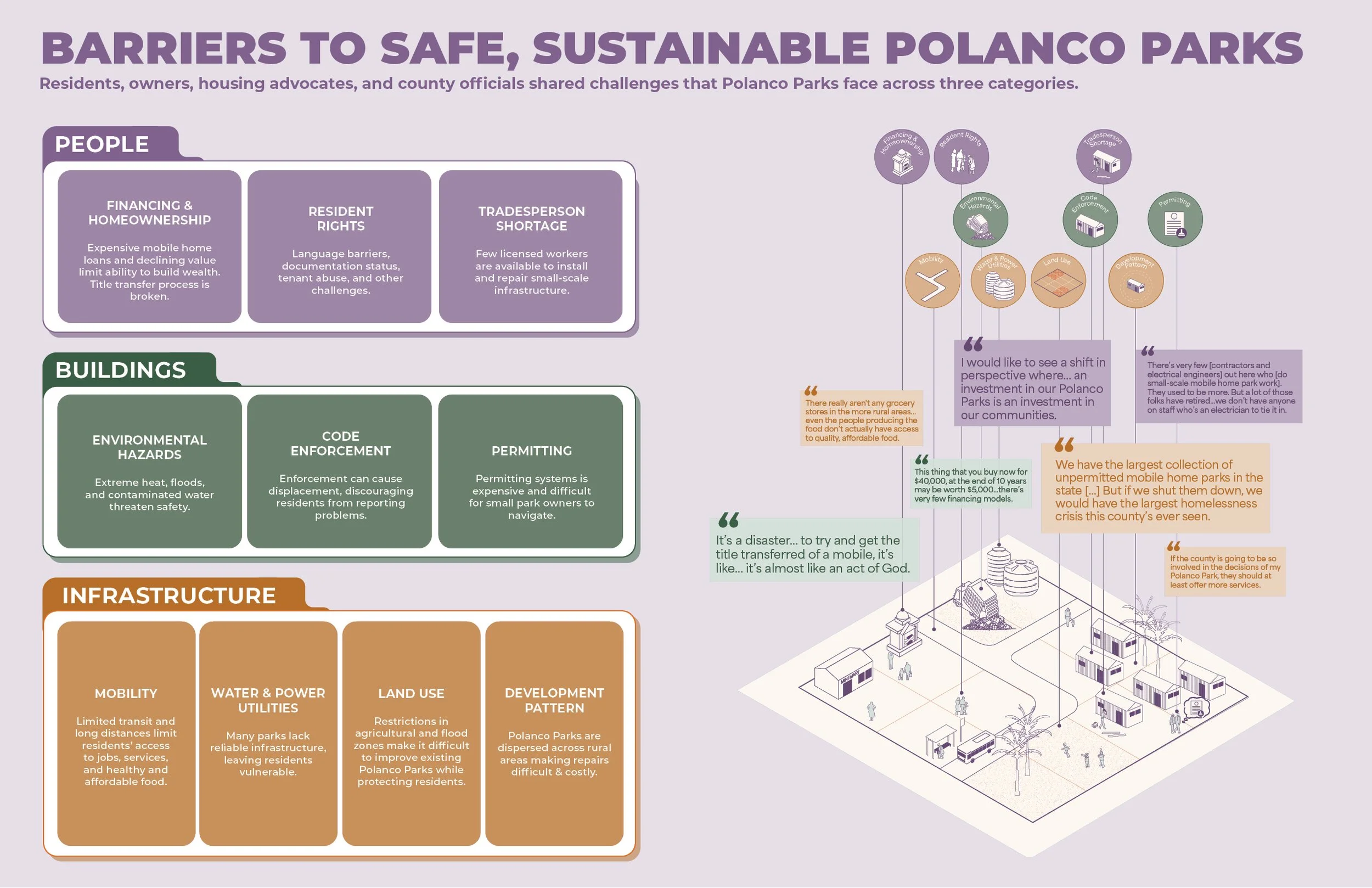 Image 3 of 8
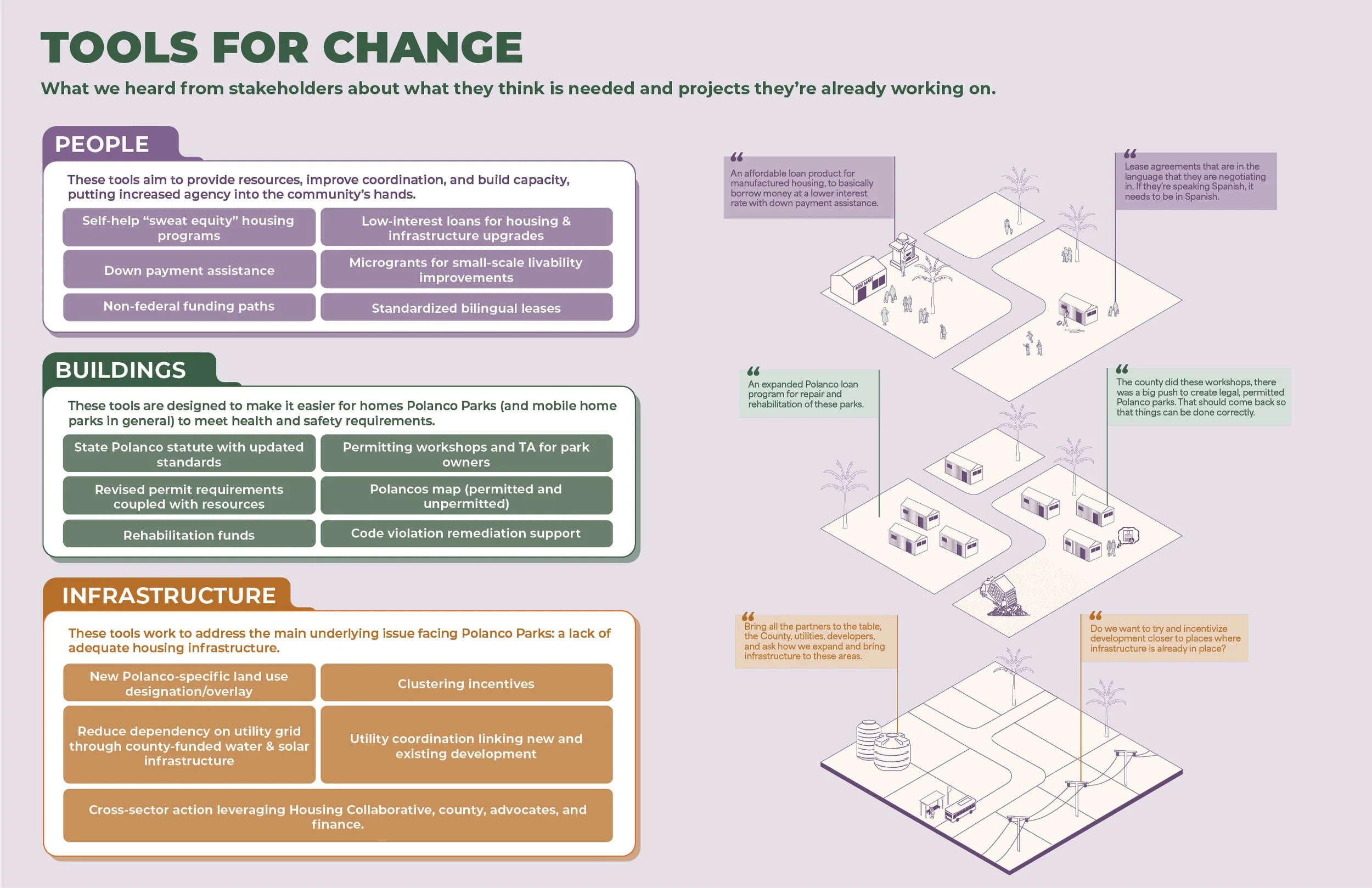 Image 4 of 8
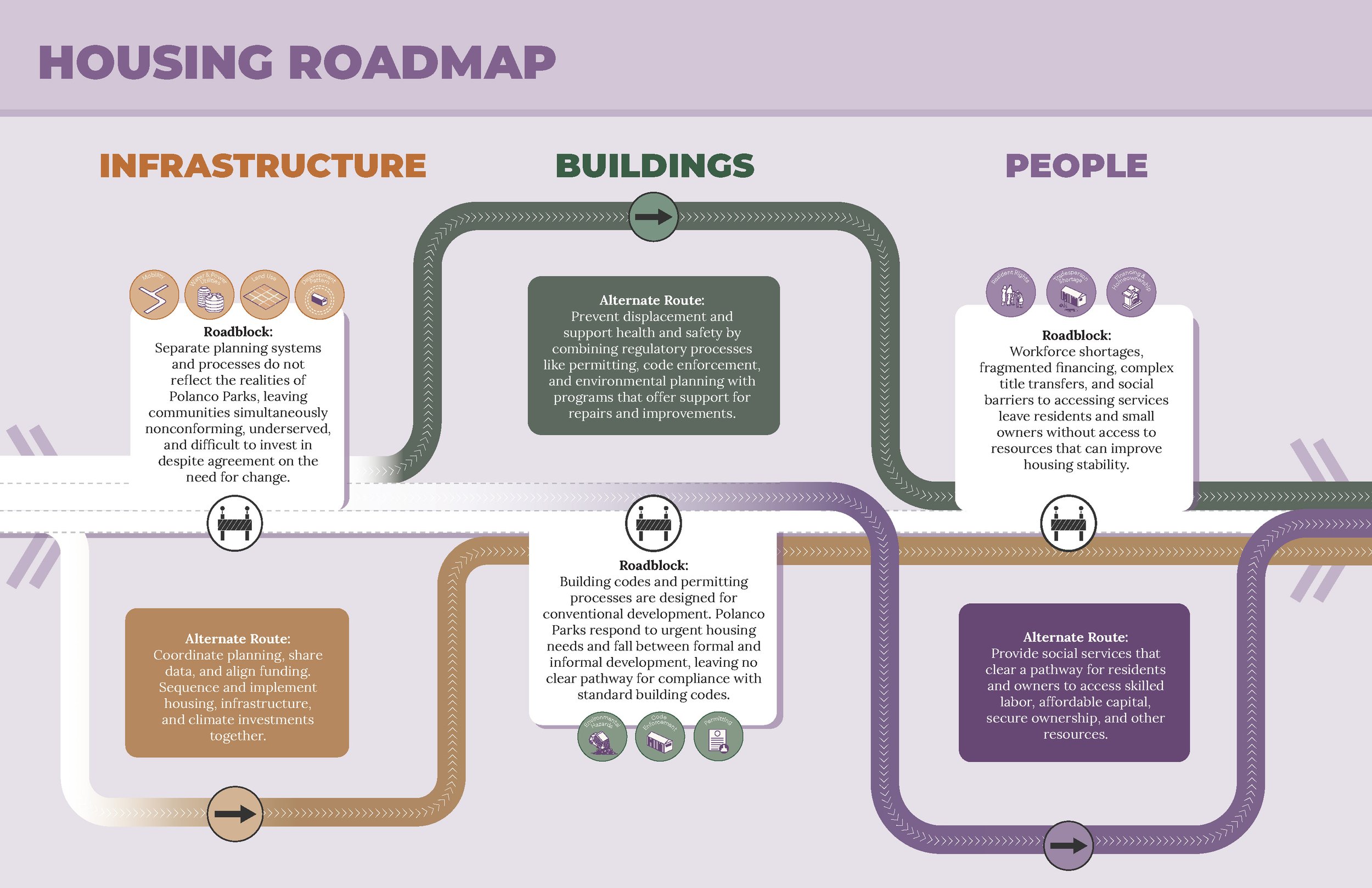 Image 5 of 8
 Image 6 of 8
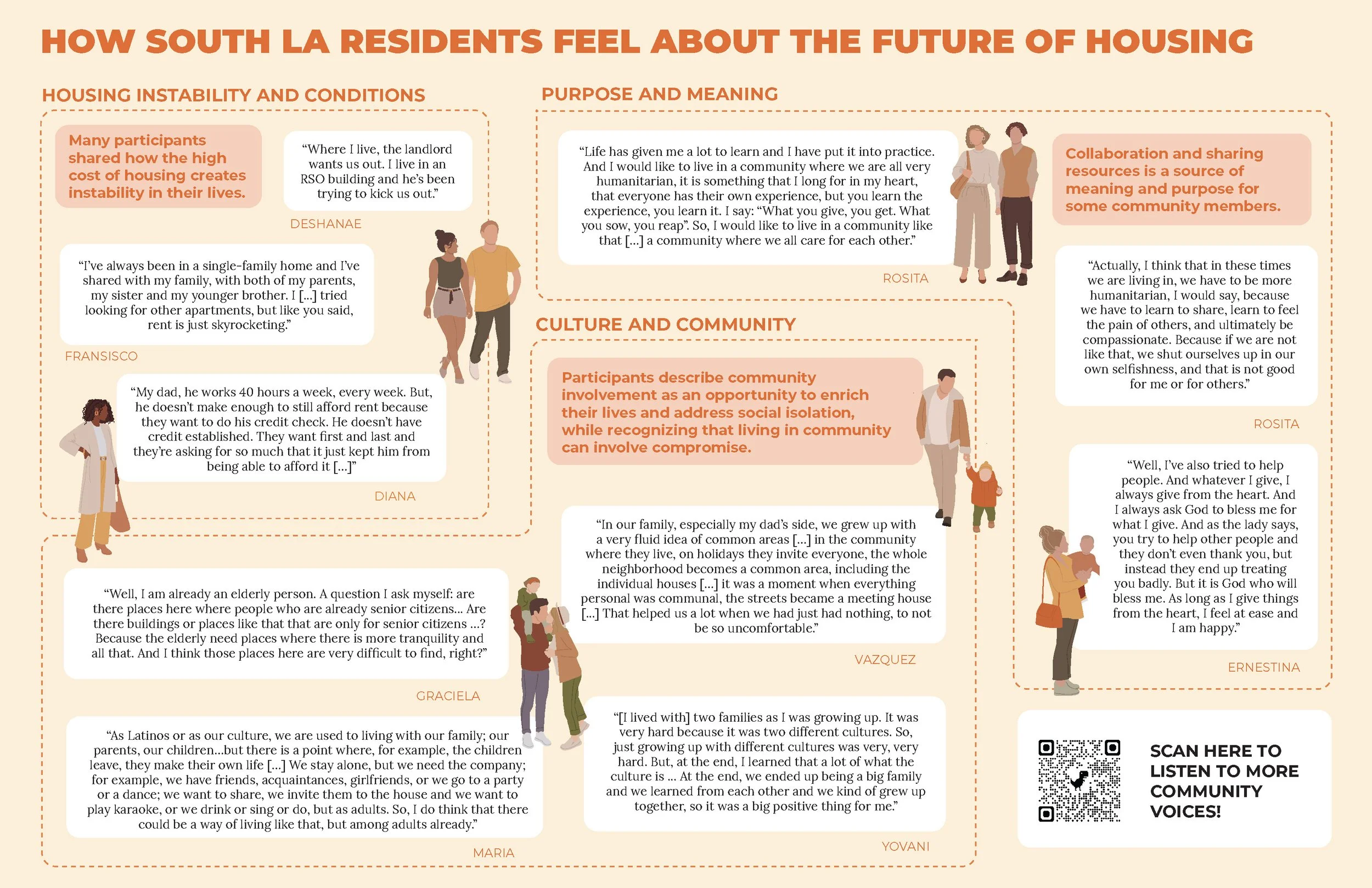 Image 7 of 8
 Image 8 of 8