Location: North America
Status: 2019-2023
Client: High Line Network
Collaborators: Urban Institute (Co-Pl)
Impact Area: Equitable Decision-making Strategies, Spaces and Places of Belonging
2024 ASLA Honor Award for Communications
2024 BSLA Honor Award for Communications
Communities across North America have lived with uneven development for decades, often along lines of race, class, and ethnicity. The Community First Toolkit grows from a hard, well-known lesson about who that unevenness serves and who it harms.
The New York City High Line is celebrated as a landmark of landscape design, and it has also become shorthand for green gentrification. In 2017 Friends of the High Line launched the High Line Network on the idea that the most useful thing it could offer other reuse projects was an honest account of what had gone wrong. As Co-Principal Investigator with the Urban Institute, on behalf of the Network, Grayscale led a multi-year process to turn that lesson into usable practice.
The result is a free, open-source resource of eighteen tools that puts the means of equitable design into far more hands. It treats parks and public spaces as drivers of equitable community development, and it lets any reuse project build equity into the work from its earliest stages.
Location: North America
Status: 2019-2023
Client: High Line Network
Collaborators: Urban Institute (Co-Pl)
Impact Area: Equitable Decision-making Strategies, Spaces and Places of Belonging
2024 ASLA Honor Award for Communications
2024 BSLA Honor Award for Communications
Communities across North America have lived with uneven development for decades, often along lines of race, class, and ethnicity. The Community First Toolkit grows from a hard, well-known lesson about who that unevenness serves and who it harms.
The New York City High Line is celebrated as a landmark of landscape design, and it has also become shorthand for green gentrification. In 2017 Friends of the High Line launched the High Line Network on the idea that the most useful thing it could offer other reuse projects was an honest account of what had gone wrong. As Co-Principal Investigator with the Urban Institute, on behalf of the Network, Grayscale led a multi-year process to turn that lesson into usable practice.
The result is a free, open-source resource of eighteen tools that puts the means of equitable design into far more hands. It treats parks and public spaces as drivers of equitable community development, and it lets any reuse project build equity into the work from its earliest stages.

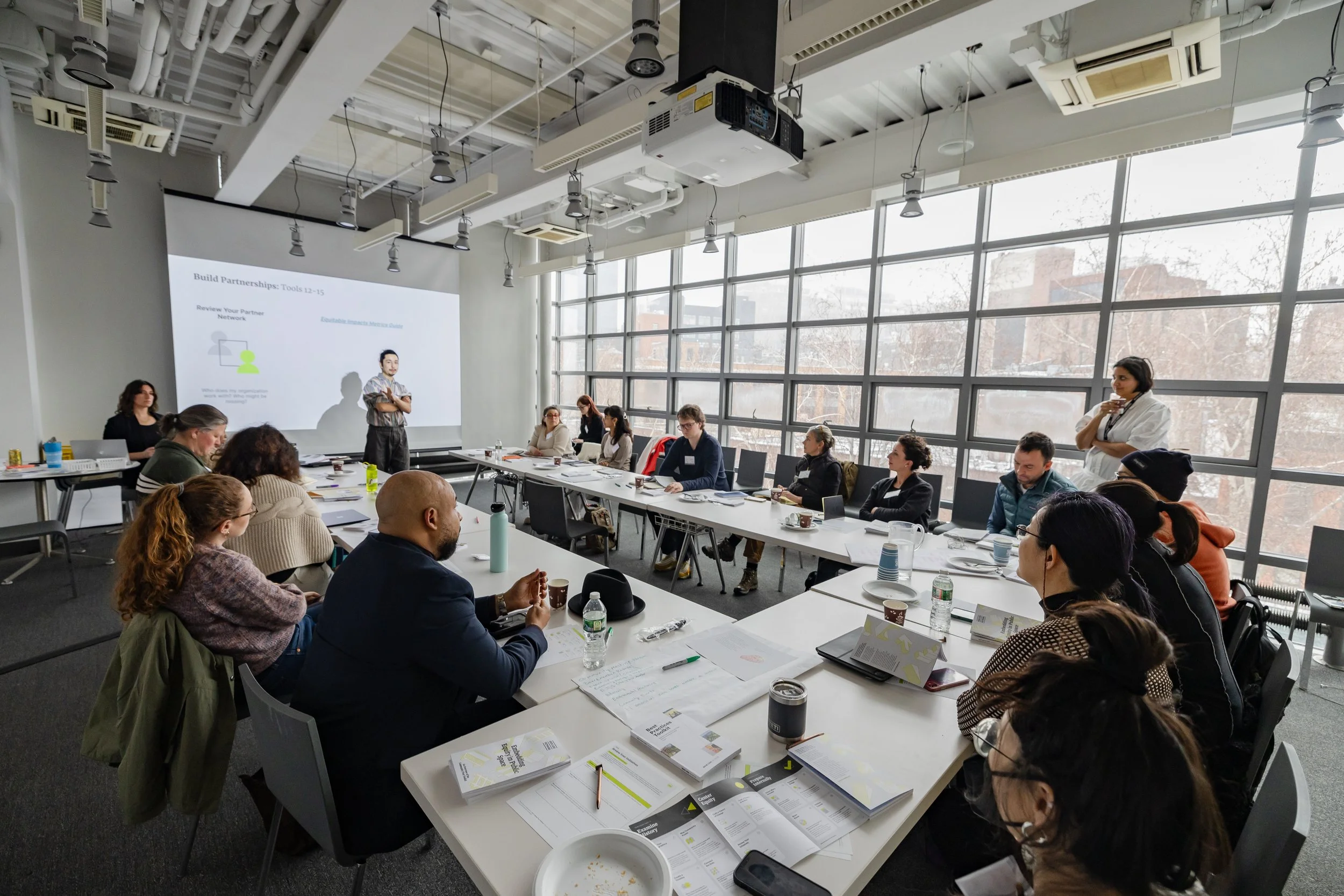 Image 1 of 14
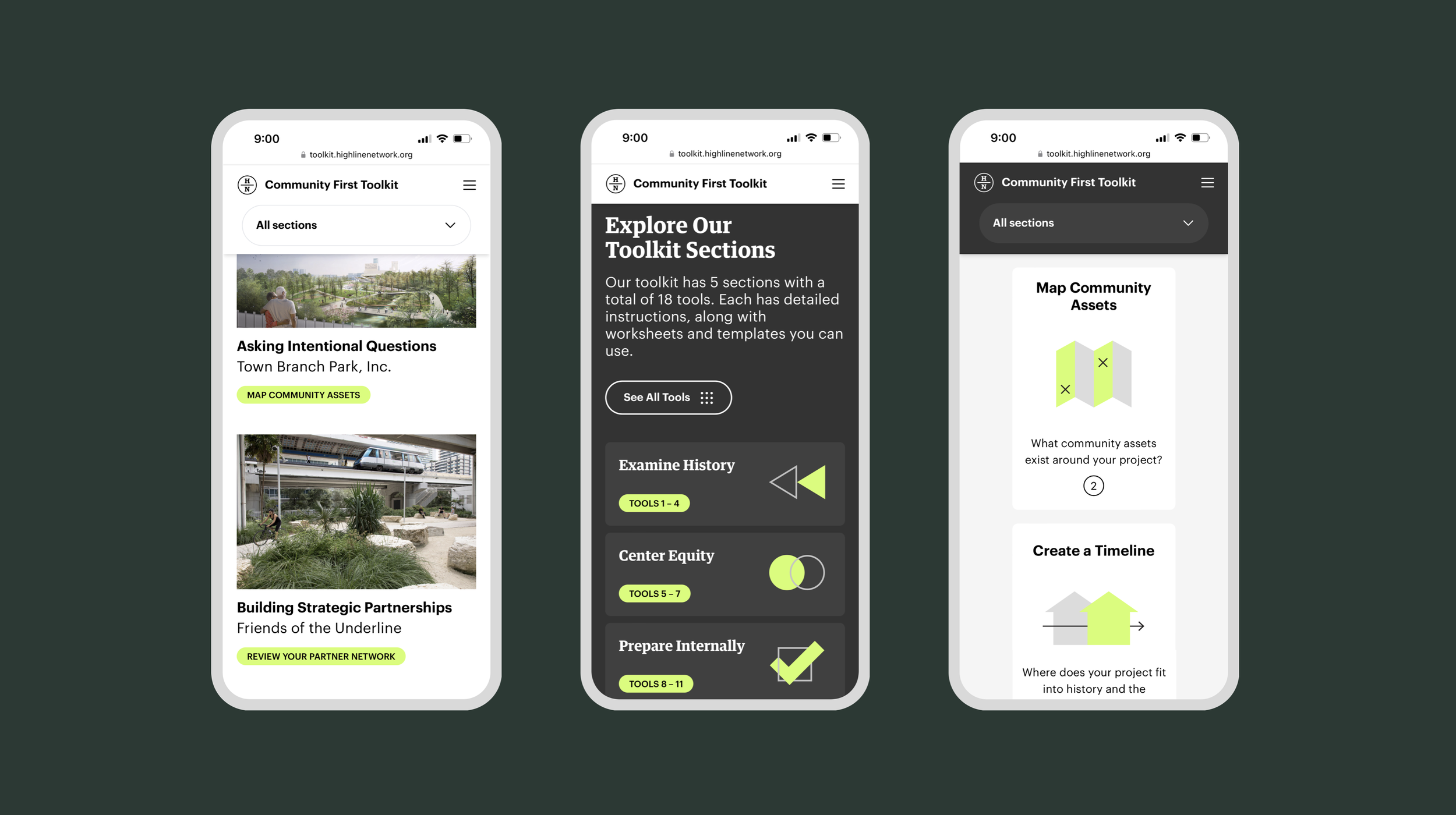 Image 2 of 14
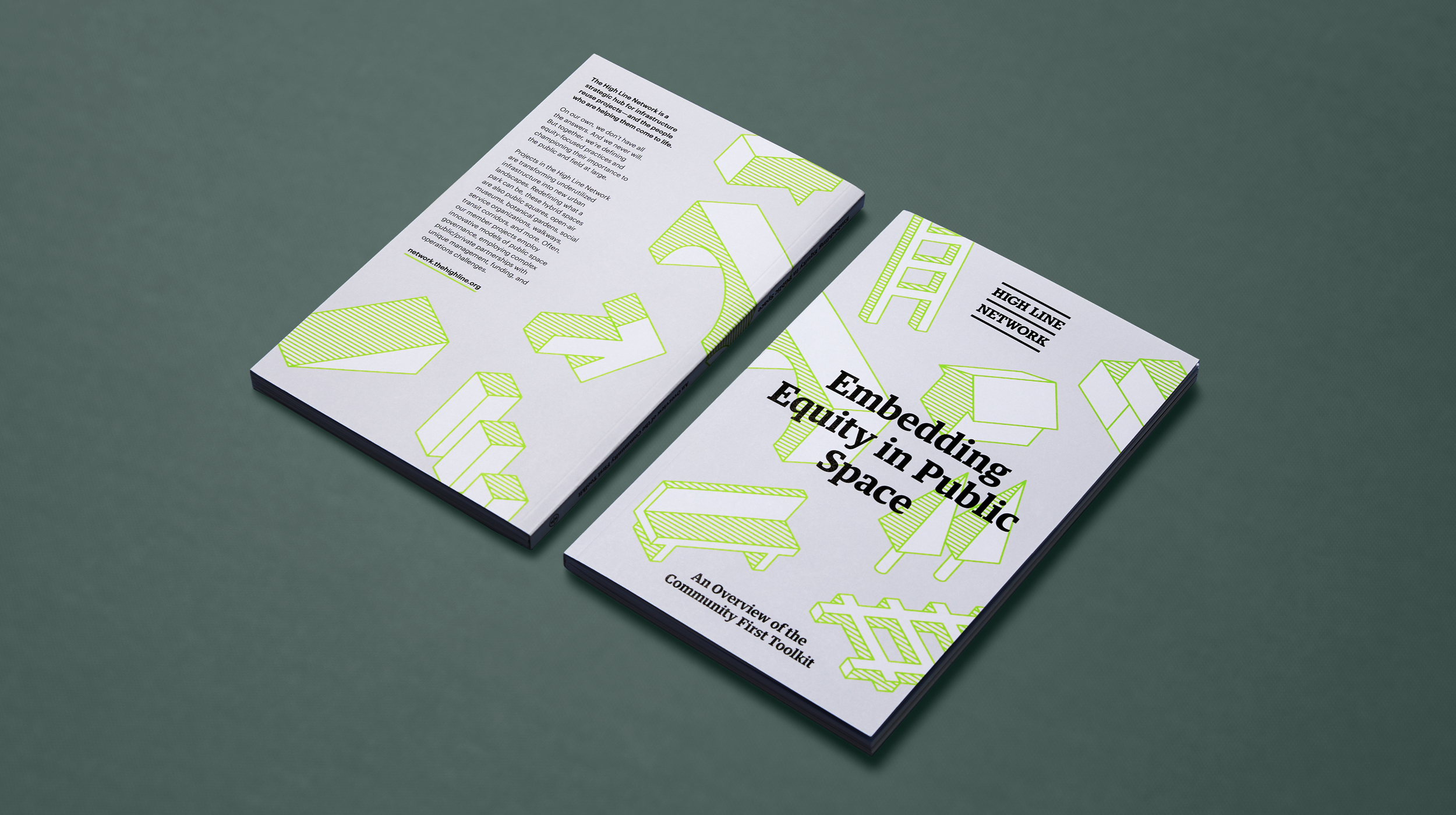 Image 3 of 14
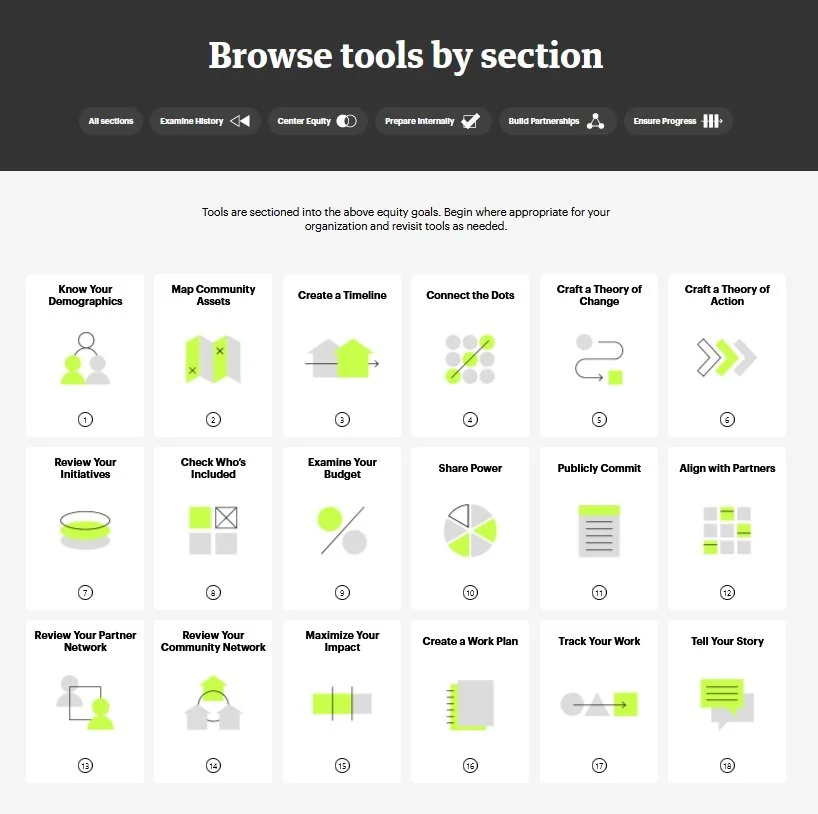 Image 4 of 14
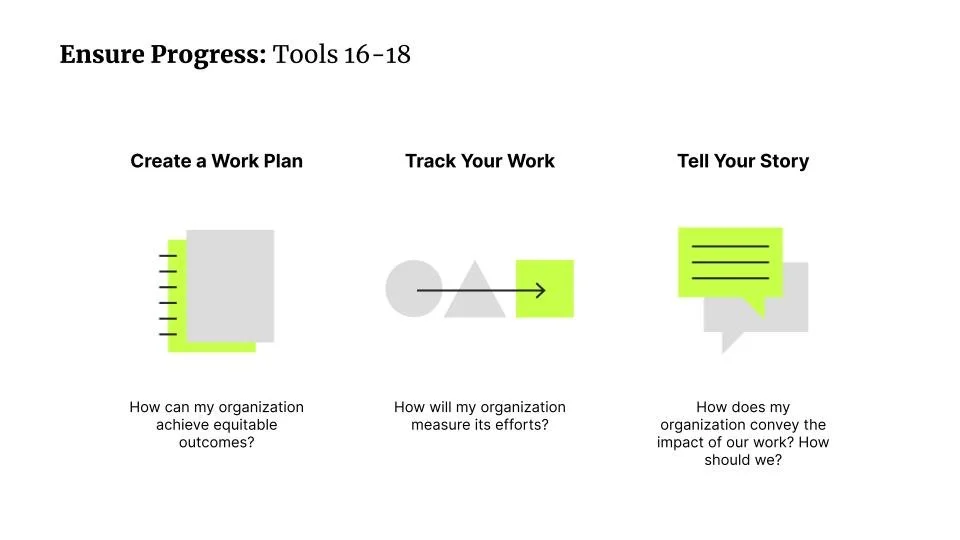 Image 5 of 14
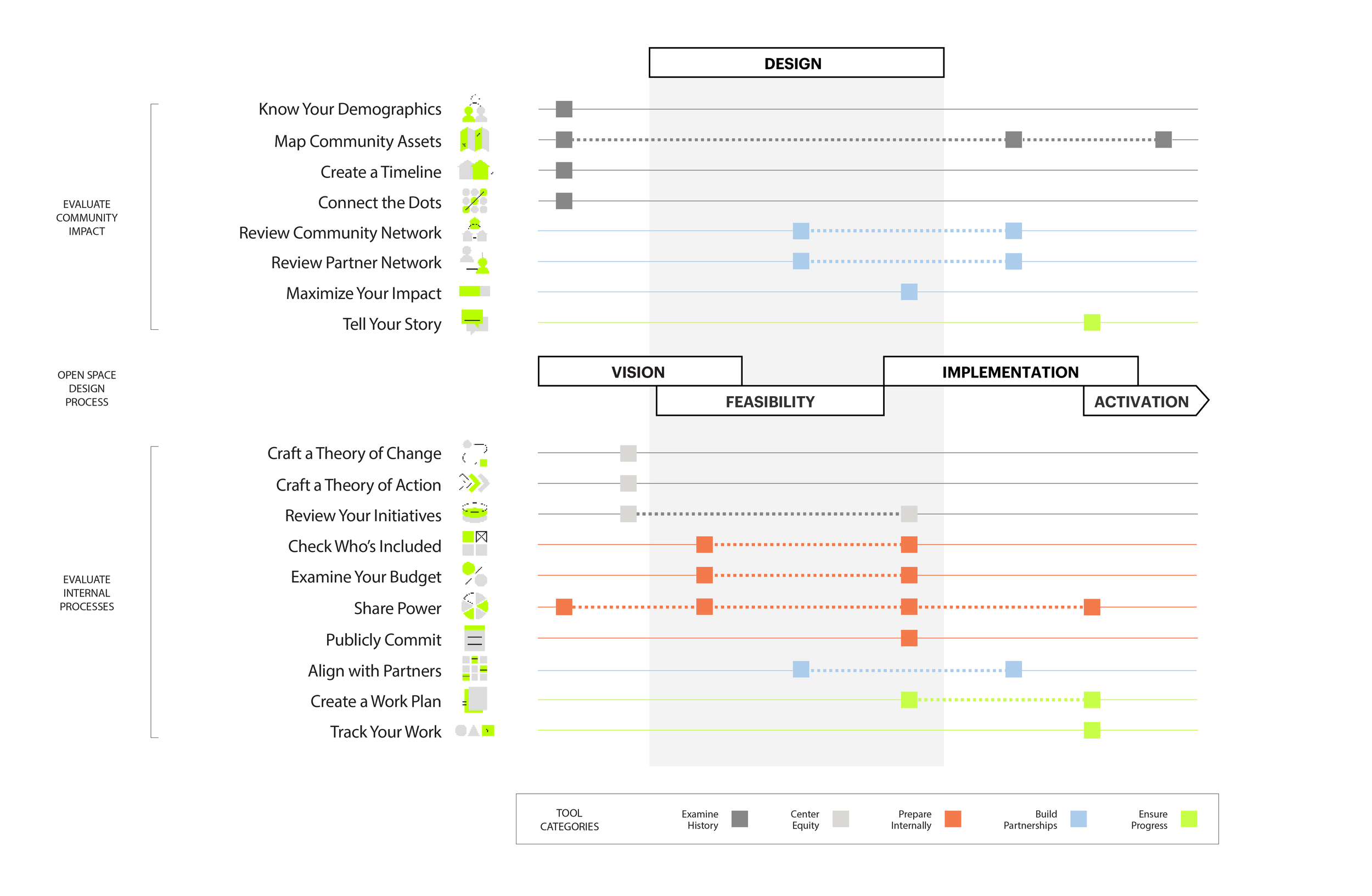 Image 6 of 14
 Image 7 of 14
 Image 8 of 14
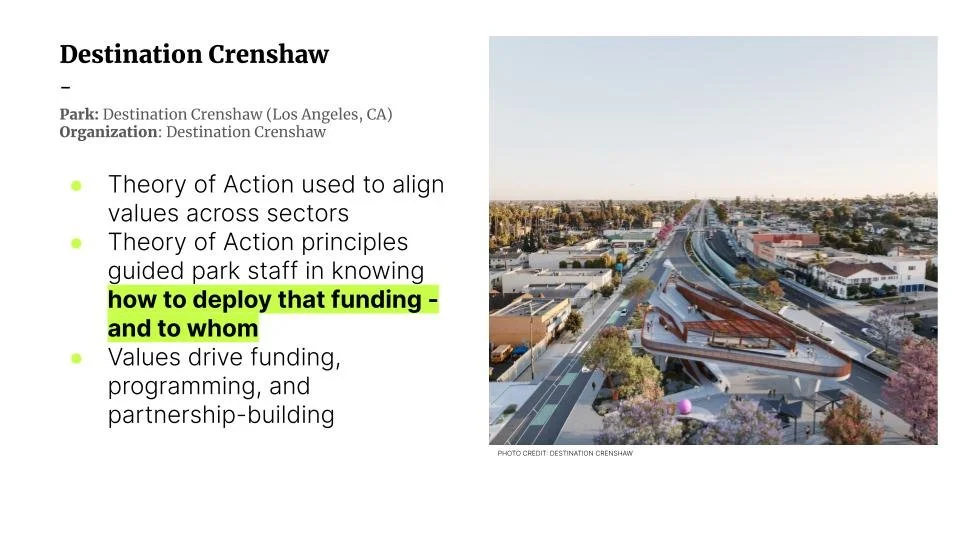 Image 9 of 14
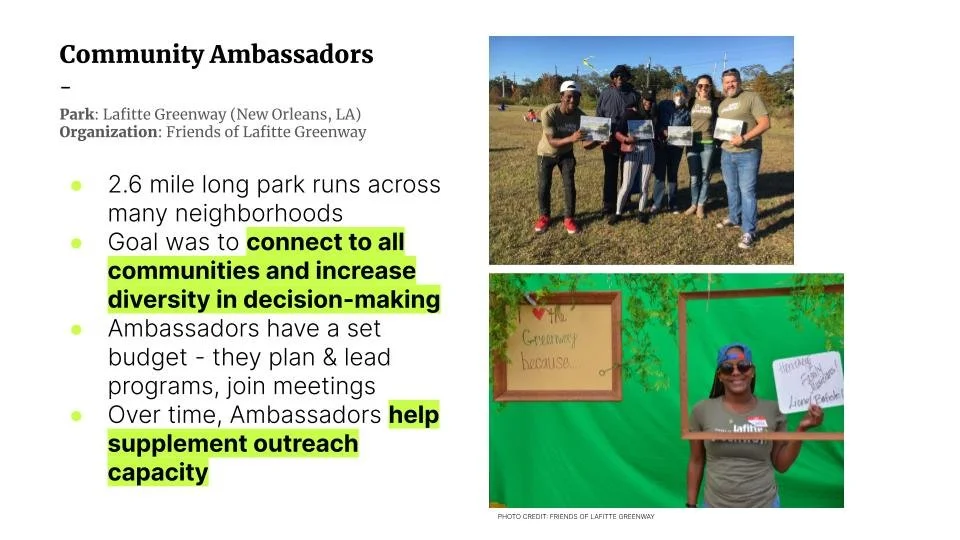 Image 10 of 14
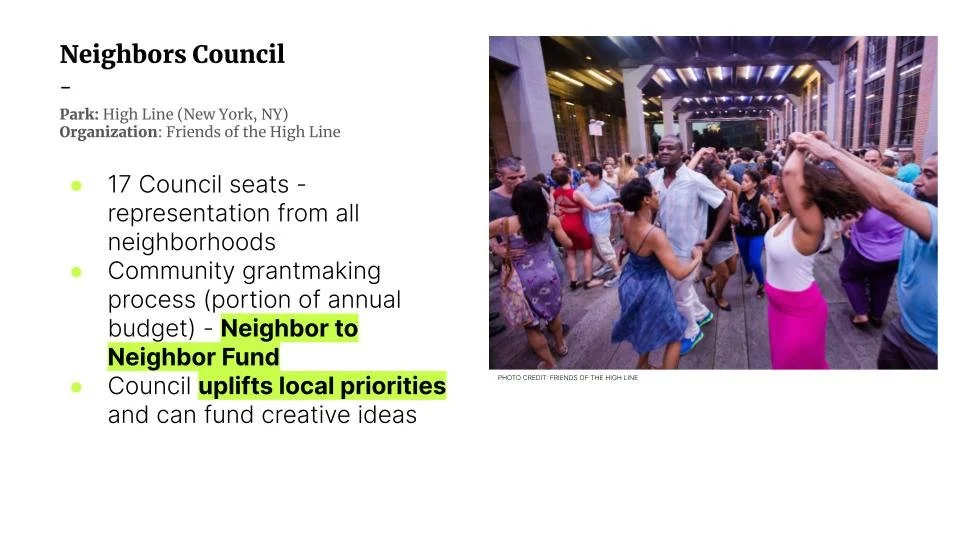 Image 11 of 14
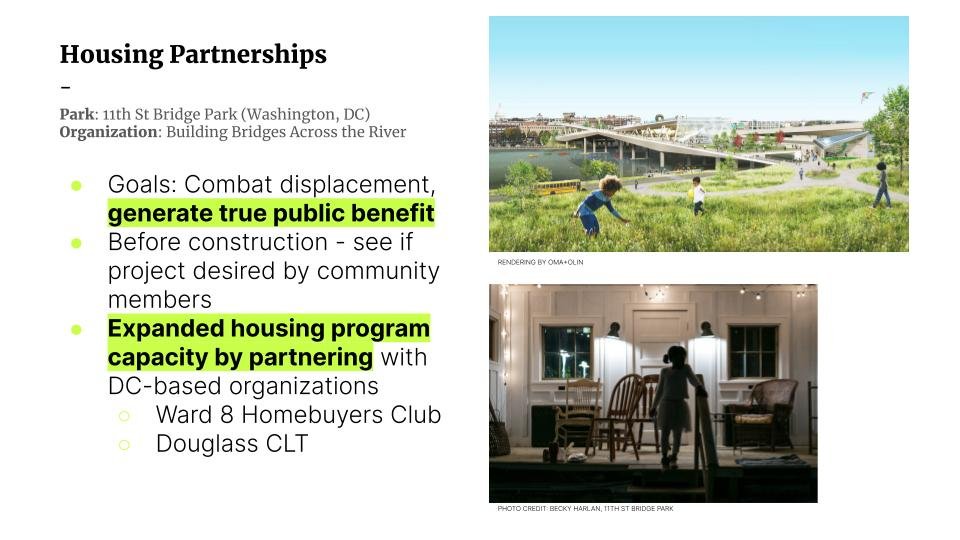 Image 12 of 14
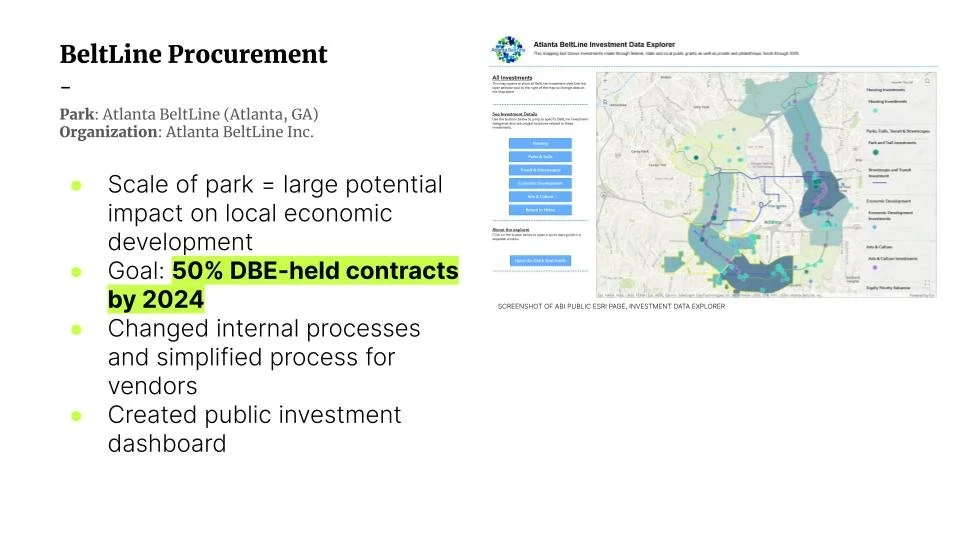 Image 13 of 14
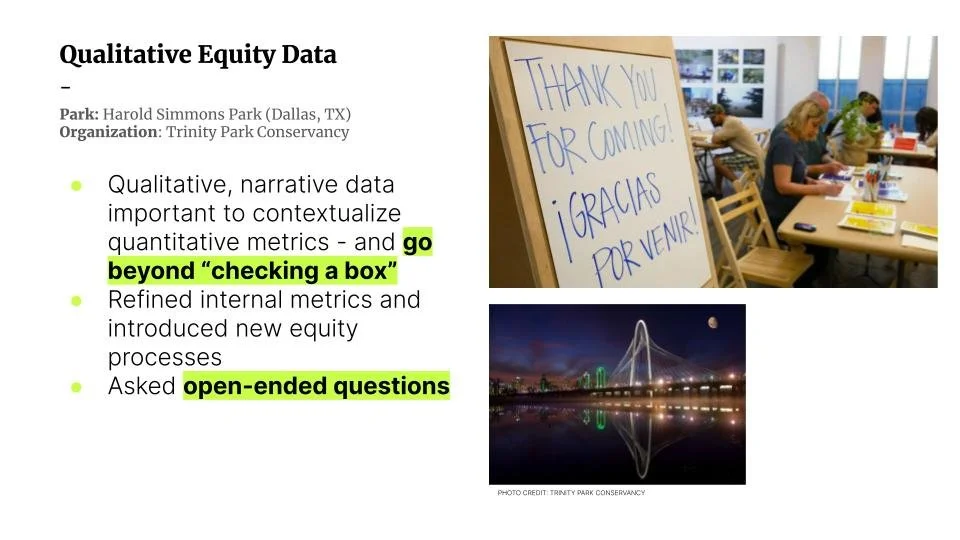 Image 14 of 14